Our planet faces unprecedented challenges, but a bold vision is emerging to redefine progress and harmony with nature through a circular economy.
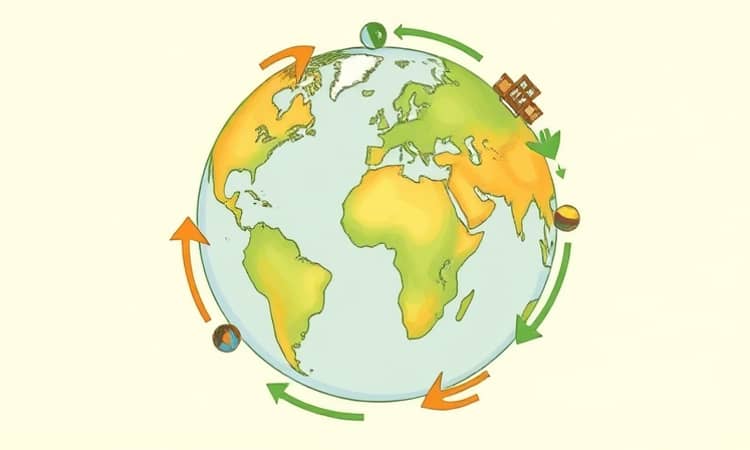
This model moves beyond the linear take-make-waste approach, aiming to create systems where resources flow endlessly, reducing our ecological footprint.
Embracing circularity is not just an environmental imperative; it is a pathway to economic innovation and social equity for future generations.
What is Global Circularity?
At its core, a circular economy breaks the cycle of extraction and disposal by keeping products and materials in use for as long as possible.
This involves strategies like design for longevity and repair, ensuring that waste becomes a resource for new processes, not an endpoint.
The ultimate goal is to decouple growth from resource depletion, mitigating the triple planetary crisis of climate change, biodiversity loss, and pollution.
Key principles include:
- Prioritizing reduction over recycling, following the reduce, reuse, recycle hierarchy.
- Integrating circular design into product lifecycles from the start.
- Aligning with global goals like the Sustainable Development Goals (SDGs), especially targets 12, 13, 14, and 15.
Global Data on Resource Use and Waste
Current consumption patterns are unsustainable, with the average person using 12.6 metric tons of materials annually, far above the sustainable threshold of 5 tons by 2050.
Alarmingly, about 75% of global materials are non-renewable, driving resource scarcity and environmental degradation.
If trends persist, extraction could surge by 150% by 2060, highlighting the urgency for change.
Waste management reveals stark disparities:
- High-income countries collect nearly 96% of waste, while low-income nations manage only 39%.
- Only around 35% of municipal waste is recycled in OECD countries, with plastic recycling at a mere 9% globally.
- The paradox is clear: recycling rates improve, but total waste volumes continue to grow, underscoring the need for systemic solutions.
To address this, we must focus on reducing material footprints and improving infrastructure in underserved regions.
Progress and Metrics of Circularity
The European Union leads in circularity policies, with a material circularity rate of about 12%, aiming to double it to 24% by 2030 under the Clean Industrial Deal.
Countries like Belgium and the Netherlands excel, using up to 31% secondary materials, while others lag below 5%.
This progress is tracked through emerging metrics, as over 2,200 companies now report circular indicators, driven by frameworks like the Circular Transition Indicators and ISO standards.
Key challenges include data consistency and the shift from voluntary to mandatory reporting, such as under the EU's Corporate Sustainability Reporting Directive.
Here is a table showing circularity rates in select EU countries to illustrate regional progress:
Policies and Regulation: Towards Waste-Free Frameworks
Regulatory efforts are accelerating, with the EU's Circular Economy Act set for 2026 to create a single market for secondary raw materials.
Extended Producer Responsibility (EPR) schemes are expanding globally, holding producers accountable for waste management and incentivizing circular design.
For example, the EU is targeting textiles with new EPR rules by 2028 to combat fast fashion waste.
In North America, programs are growing, with Canada's Federal Plastics Registry enhancing transparency for industrial sectors.
To navigate this landscape, businesses and individuals can adopt practical steps:
- Invest in product-as-a-service models to extend product lifecycles.
- Support policies that promote repair rights and material traceability.
- Engage in community recycling initiatives to boost local circularity.
Barriers and Opportunities
Transitioning to a circular economy faces hurdles like high upfront costs and fragmented regulatory frameworks across regions.
However, opportunities abound in innovation sectors such as advanced recycling technologies and bio-based materials.
Sectors like construction and fashion are ripe for transformation, with circular practices reducing costs and environmental impacts.
To overcome barriers, we must:
- Foster cross-sector collaborations to share best practices and resources.
- Leverage digital tools like blockchain for transparent supply chains.
- Educate consumers on the benefits of circular choices, from buying durable goods to participating in sharing economies.
Perspectives Towards 2030-2050
Looking ahead, achieving a waste-free economy by 2050 requires bold action and collective commitment.
Innovations in closed-loop systems and regenerative design will drive progress, supported by global agreements and local initiatives.
Individuals can contribute by reducing consumption, choosing repairable products, and advocating for stronger policies.
Together, we can build a resilient future where circularity is the norm, not the exception.
Embrace this journey with hope and determination, knowing that every small step towards circularity counts in creating a sustainable world for all.